Health and Safety Policy for Cleaners SE5
 Health and safety is a core part of every cleaning service we provide in SE5. Our policy is designed to protect cleaners, clients, visitors, and anyone who may be affected by cleaning activities. By working to clear standards, using safe methods, and maintaining awareness of risks, cleaners in SE5 can complete their duties efficiently while reducing accidents and illness.
We believe that a safe working environment is not only a legal expectation but also a practical way to improve service quality. When cleaning teams follow safe systems of work, they are better able to protect property, avoid interruptions, and deliver consistent results. This policy applies to all tasks, from routine dusting and vacuuming to specialist cleaning duties that may involve chemicals, equipment, or physical strain.
 The principles in this policy apply to all cleaning operatives, supervisors, and managers involved in day-to-day work. Every individual has a responsibility to take reasonable care, report hazards, and follow instructions. Health and safety is a shared duty, supported by training, supervision, risk assessment, and the proper use of equipment.
Risk assessment is the starting point for safe cleaning work. Before any task begins, potential hazards must be considered, including wet floors, electrical equipment, lifting, chemical exposure, sharp objects, and access issues. A suitable cleaning risk assessment helps identify controls such as warning signs, protective clothing, correct dilution of products, and safe working methods.
All SE5 cleaners are expected to assess the area they are working in and adapt their approach where needed. This includes checking whether surfaces are slippery, whether lighting is sufficient, and whether children, pets, or members of the public may be nearby. If a task appears unsafe, it should be paused until the risk is reduced.
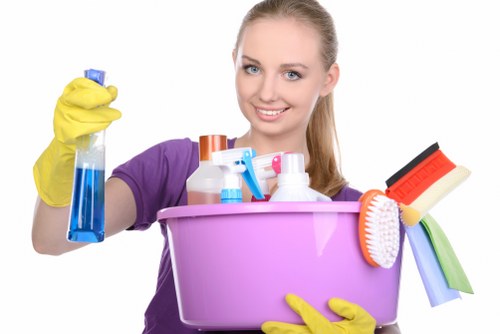 Cleaning chemicals must be handled with particular care. Products should always be used in accordance with instructions, never mixed unless specifically approved, and stored securely when not in use. Personal protective equipment, such as gloves or eye protection, must be worn where necessary to reduce exposure and support safe chemical cleaning practices.
Training is essential to maintaining safe standards. Every cleaner should understand the correct use of tools, machines, and materials before carrying out work independently. Training should cover manual handling, safe lifting techniques, COSHH awareness, emergency procedures, and how to report incidents or near misses. Refresher sessions help reinforce safe cleaning procedures and keep knowledge up to date.
Manual handling is one of the most common sources of injury in cleaning work. To reduce strain, cleaners should avoid unnecessary heavy lifting, use appropriate trolleys where available, and break larger jobs into manageable steps. Bending, reaching, and repetitive movement should be kept to a minimum. Good posture and careful planning can make a significant difference to the safety of cleaning operations.
Equipment must be maintained in safe working order. Vacuum cleaners, floor machines, extension leads, and other tools should be checked before use and removed from service if damaged. Faulty equipment should never be used. Regular inspection supports a safer workplace and helps prevent accidents caused by electrical hazards, trip risks, or mechanical failure.
The use of personal protective equipment, or PPE, is an important part of this policy. Gloves, masks, aprons, and non-slip footwear may be needed depending on the job. PPE should be selected for the task, worn correctly, and replaced when damaged or worn out. Cleaners should also wash hands regularly, particularly after using chemicals or handling waste.
Waste handling and disposal must be done safely and hygienically. Sharps, broken glass, and contaminated materials should be treated as hazardous and handled with extra caution. Bags should not be overfilled, and waste should be moved in a way that avoids spillage or injury. Good hygiene practice supports both cleaner safety and the cleanliness of the wider environment.
Emergency situations require calm, clear action. All staff should know the procedure for spills, accidents, fire alarms, or medical incidents. Where immediate danger is present, the area should be made safe if possible and help requested without delay. Reporting systems should be used to record incidents, identify causes, and improve future preventive measures.
Communication is a key part of safe cleaning work. Supervisors should make sure instructions are clear and that any site-specific risks are explained before work starts. Cleaners should feel able to raise concerns if something changes during a job, such as blocked access, a spill, or the discovery of hazardous materials. Open reporting encourages safer outcomes for everyone involved.
Monitoring and review help keep the policy effective. Health and safety arrangements should be checked regularly to make sure they still reflect current working practices. If an incident occurs, the cause should be reviewed and action taken to reduce the chance of recurrence. Improvements may include updated training, better equipment, revised schedules, or changes to cleaning methods.
 This policy also promotes respect for the environment in which cleaning takes place. Safe use of water, products, and energy can reduce waste while supporting responsible service delivery. Choosing the right amount of product, storing materials properly, and following correct disposal methods all contribute to a safer and more efficient cleaning routine.
Everyone involved in SE5 cleaning services must contribute to a culture of safety. That means following procedures, using equipment correctly, and taking reports of risk seriously. A thoughtful approach protects people, improves reliability, and supports a professional standard of work in homes, offices, and shared spaces.
 In summary, this health and safety policy is built on prevention, training, communication, and responsibility. By applying safe cleaning practice every day, cleaners can reduce hazards, protect wellbeing, and deliver a high-quality service with confidence. Safety is not an optional extra; it is part of doing the job properly.